Table of Contents
ToggleA deck without a roof is only half the project. Rain, harsh midday sun, and unpredictable weather can turn your outdoor investment into an underused afterthought. Adding a cover extends the life of your deck, protects furniture and finishes, and creates usable square footage regardless of the forecast. Whether homeowners are working with an existing structure or building from scratch, the right covered deck turns a seasonal amenity into a year-round retreat.
Key Takeaways
- Outdoor covered deck ideas extend the usable life of your deck year-round by protecting against weather damage, UV fading, and wood rot while creating a functional outdoor room.
- Pergolas with retractable canopies offer affordable flexibility ($3,000–$8,000) with 90%+ UV protection, while solid roof extensions provide full weather protection but require permits and proper flashing to prevent water intrusion.
- Design details like LED lighting, ceiling fans, screens, and built-in seating transform a covered deck from a simple structure into a comfortable outdoor living space.
- Budget-friendly alternatives such as shade sails, polycarbonate panels, and reclaimed materials can reduce costs by 30–50% while delivering functional weather protection.
- Phasing a covered deck project across multiple seasons and starting with pop-up gazebos allows DIYers to test layouts and manage costs without sacrificing quality.
Why Add a Roof or Cover to Your Deck?
The most obvious benefit is weather protection. A roof keeps deck boards dry, reducing rot, warping, and the need for frequent staining or sealing. UV protection extends the life of composite decking, railings, and outdoor fabrics. Rain no longer cancels plans.
But practicality aside, a covered deck adds livable space. It’s the difference between storing outdoor furniture each fall and leaving a setup intact through winter. It offers shade without blocking views, keeps grills and outdoor kitchens functional in light rain, and makes the deck a legitimate room rather than an exposed platform.
Depending on design, a roof or cover can also boost home value. Buyers recognize finished outdoor living areas as functional space, not just a wood platform. For resale purposes, an attached, permitted cover with proper flashing and drainage tends to return more value than a standalone pop-up canopy. If the home is in a wet climate or has southern exposure, the ROI climbs higher.
Code considerations matter. Roof structures typically require a building permit, especially if they’re attached to the house or exceed a certain square footage. Load-bearing posts must rest on footings below the frost line, and roofing materials need to meet local fire ratings. Check with the local building department before framing begins.
Popular Covered Deck Styles for Every Home
Pergolas With Retractable Canopies
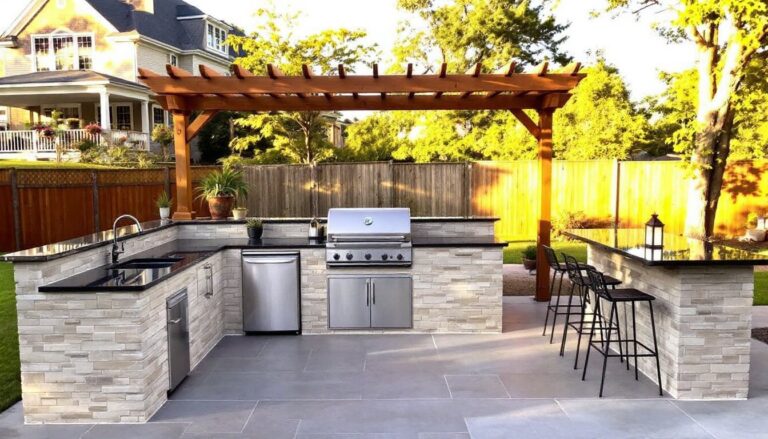
Pergolas offer partial shade and architectural interest without the cost or complexity of a full roof. Open rafters (usually 2×6 or 2×8 lumber spaced 12 to 16 inches apart) provide dappled light and allow vines or climbing plants to grow overhead.
Retractable canopies add flexibility. Canvas or shade fabric pulls across the pergola frame on tracks or cables, creating full shade when needed and retracting for stargazing or sunny mornings. Many systems use marine-grade fabric with UV ratings of UPF 50+ and drain water effectively during light rain. These aren’t waterproof, but they handle drizzle and cut sun exposure by 90% or more.
Installation is straightforward for intermediate DIYers. Posts anchor to the deck frame with galvanized brackets or bolt through to footings. Rafters attach with joist hangers or through-bolts. Most outdoor living structures use pressure-treated lumber for posts and beams, with cedar or composite trim for exposed rafters. A pergola with a retractable canopy typically costs $3,000 to $8,000 for materials on a 12×16-foot deck, depending on lumber grade and canopy quality.
Solid Roof Extensions and Attached Covers
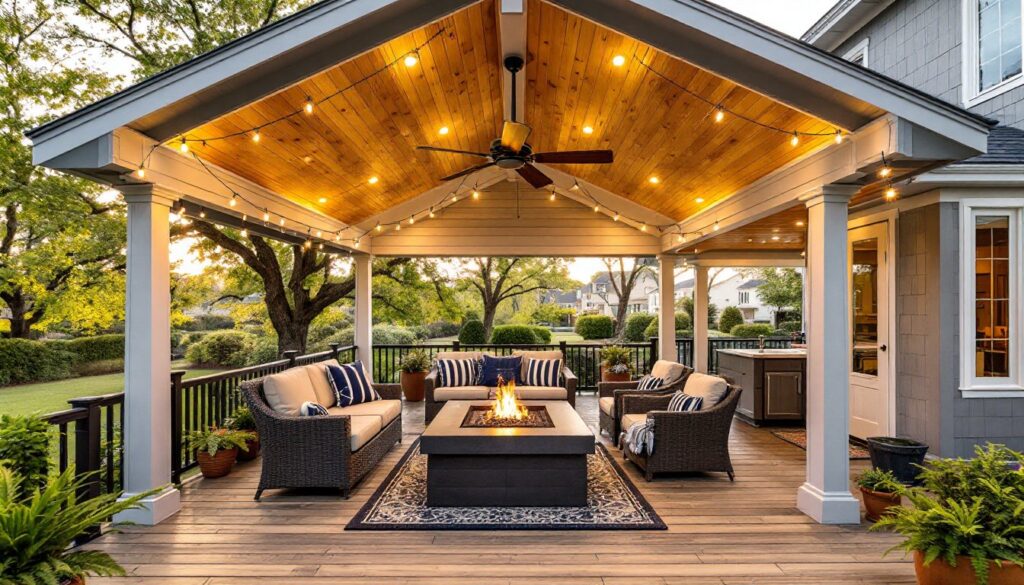
For full weather protection, a solid roof is the gold standard. Attached covers extend the home’s roofline directly over the deck, using the house structure as one bearing point and freestanding posts on the outer edge. This design integrates visually and structurally, but it’s not a weekend project.
Roof framing follows residential building codes. Rafters (typically 2×6 or 2×8 depending on span and snow load) tie into the house’s ledger board with joist hangers and slope away for drainage. Minimum roof pitch is usually 3:12 (3 inches of rise per 12 inches of run), though steeper pitches shed snow and water more effectively. Asphalt shingles match the house and cost around $90 to $150 per square (100 square feet). Metal roofing is pricier upfront, $200 to $400 per square, but lasts 40+ years and handles low slopes better.
Flashing is critical. The ledger board attachment must include Z-flashing or step flashing behind the house siding to prevent water intrusion. Improper flashing is the top cause of rot in attached structures. If the homeowner isn’t confident cutting siding and waterproofing the connection, hire a contractor for that step.
Solid roofs handle snow loads and high winds better than canopies, and they support ceiling fans, lights, and even heaters. Expect to budget $8,000 to $20,000+ for materials and labor on a typical 12×16-foot attached cover, depending on roof complexity and regional labor rates. Permits are required.
Design Elements to Elevate Your Covered Deck
Once the roof is up, details make the difference between a covered slab and an outdoor room. Start with lighting. Recessed LED cans (rated for damp or wet locations depending on exposure) install between rafters or joists and provide overhead light without dangling fixtures. String lights add ambiance but need a dedicated circuit if they’re hardwired, don’t daisy-chain extension cords. Low-voltage path lights along steps and railings improve safety and highlight the deck’s perimeter.
Ceiling fans keep air moving and make humid evenings tolerable. Choose a model rated for wet or damp locations (damp if under a solid roof, wet if exposed to wind-driven rain). Fans with 52- to 60-inch blade spans work well for most deck sizes. Mount directly to a ceiling joist or use a fan-rated electrical box with blocking between joists.
Screens and panels extend the season. Retractable screens roll down from the roofline to block insects without sacrificing airflow, and they retract when not needed. Fixed screens (framed with 1×2 trim and fiberglass mesh) are cheaper but less flexible. Clear vinyl panels provide wind protection in spring and fall without the cost of glass. For <a href="https://tewkesburybc.com/back-porch-decorating-ideas/”>back porch decorating ideas, consider outdoor rugs, weather-resistant furniture, and potted plants to soften the space.
Built-in seating maximizes usable space. Frame benches with the same 2×4 or 2×6 lumber used for the deck, add storage underneath, and cap with composite or cedar decking boards for a finished look. A built-in bench costs $200 to $500 in materials and eliminates the need for bulky patio furniture.
Heating extends the calendar. Infrared patio heaters mount to posts or the ceiling and warm people, not air, making them efficient even in open-air designs. Propane models heat a 15- to 20-foot radius and cost $150 to $400. Electric versions require a dedicated 240V circuit but operate quietly and need no fuel storage. Outdoor fireplaces and fire pits add ambiance but must comply with local fire codes and clearance requirements.
Budget-Friendly Covered Deck Ideas for DIYers
Not every covered deck requires a five-figure budget. Shade sails offer a modern, affordable alternative to traditional roofs. These triangular or rectangular fabric panels stretch between anchor points, deck posts, house walls, or freestanding poles, and create dramatic angles while blocking 85% to 95% of UV rays. Marine-grade polyethylene or PVC-coated polyester costs $50 to $200 per sail depending on size, and installation requires only turnbuckles, eye bolts, and a drill. Sails aren’t waterproof, but they shed light rain and take down for winter storage.
For a semi-permanent option, polycarbonate roof panels provide weather protection at a fraction of the cost of shingles. These corrugated or multiwall plastic sheets install over a basic rafter frame and let diffused light through while blocking rain. 8mm twin-wall polycarbonate costs around $2 to $4 per square foot and cuts with a circular saw. Panels screw directly to purlins (horizontal supports) with neoprene washers to prevent leaks. The result looks utilitarian, but it’s functional and DIY-friendly. Painting the underside of the rafters white or a light color helps reflect light and brighten the space.
Reclaimed materials cut costs and add character. Salvaged 4×4 or 6×6 posts, weathered barn wood for rafters, or metal roofing from a teardown can drop material costs by 30% to 50%. Inspect reclaimed lumber for rot, insect damage, and structural integrity, if it’s purely decorative (like overhead slats), cosmetic wear is fine, but load-bearing members need to be sound.
Temporary covers work for renters or those testing layouts. Pop-up gazebos with steel frames and polyester canopies cost $300 to $800, anchor with deck weights or ground stakes, and disassemble in minutes. They won’t survive high winds or heavy snow, but they’re perfect for a season or two while planning a permanent build. Many covered outdoor living spaces evolve over time, starting simple and upgrading as budget allows.
DIYers can also save by phasing the project. Frame and roof the structure one season, add lighting and screens the next, then finish with built-ins or heating. Spreading costs across multiple years makes a higher-end design achievable without financing.
Conclusion
A covered deck isn’t just an upgrade, it’s a shift in how outdoor space gets used. Whether it’s a retractable canopy for flexible shade or a full roof extension for year-round protection, the right cover makes the deck functional in conditions that would otherwise send everyone indoors. Plan for structure, permit requirements, and weather exposure, and the payoff is an outdoor room that works as hard as any inside the house.