Table of Contents
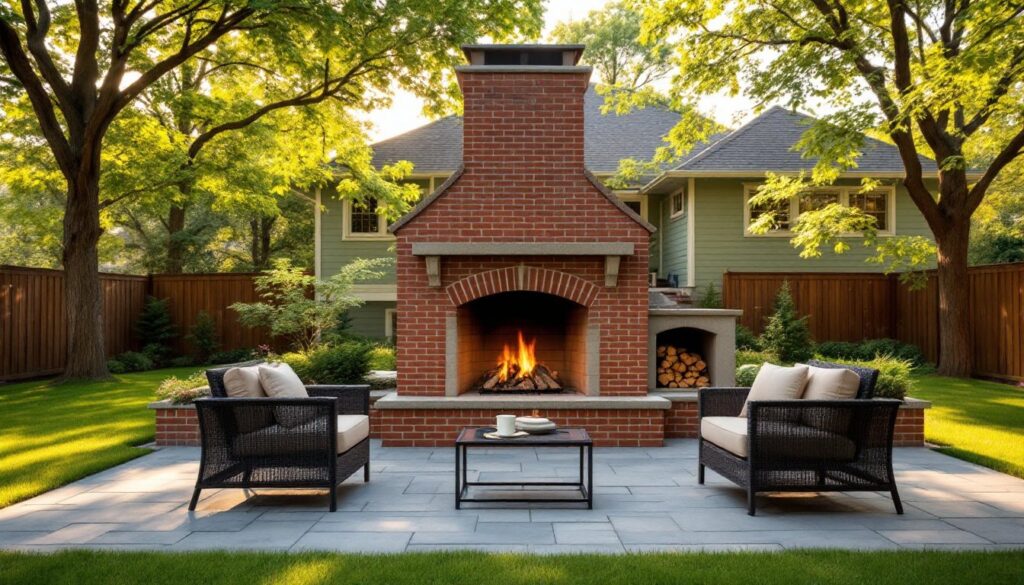
ToggleAn outdoor brick fireplace anchors a backyard like nothing else. It’s the spot where guests naturally gather, where fall evenings stretch into late-night conversations, and where your outdoor space shifts from nice-to-have to can’t-live-without. Brick’s been the go-to material for centuries, it handles temperature swings, takes smoke and ash in stride, and ages with character instead of falling apart. Whether homeowners are eyeing a classic red brick hearth, a painted modern design, or a rustic reclaimed look, brick delivers durability and flexibility. This guide walks through design styles, layout strategies, and practical construction advice for anyone ready to add a permanent focal point to their yard.
Key Takeaways
- Outdoor brick fireplaces offer unmatched durability, withstanding temperatures over 1,800°F and requiring minimal maintenance compared to metal or stone alternatives.
- Brick’s thermal mass absorbs and radiates heat long after fires die down, extending comfort and reducing freeze-thaw damage in cold climates when properly installed.
- Design flexibility makes brick fireplaces adaptable to any style—choose classic red, modern painted finishes, or rustic reclaimed brick to match your outdoor space.
- Corner and half-wall brick fireplace layouts maximize seating in smaller yards while using fewer materials and creating functional patio dividers.
- A proper foundation, correct mortar types (Type N for general work and refractory for the firebox), and adherence to chimney height codes are essential for outdoor brick fireplace success.
- Building permits and inspections are required for masonry fireplaces, and skipping them risks fines and complications during home sales.
Why Choose Brick for Your Outdoor Fireplace?
Brick fireproof performance is unmatched in residential materials. Standard clay brick can withstand temperatures over 1,800°F, making it ideal for open wood-burning fires. It won’t warp, crack under heat stress, or require replacement after a few seasons like cheaper alternatives.
Brick’s thermal mass is another advantage. It absorbs heat during a fire and radiates warmth long after the flames die down, extending comfort into cooler nights. That same mass helps moderate temperature swings, reducing freeze-thaw damage in cold climates when properly installed.
Maintenance stays minimal. Soot wipes off with a stiff brush and water. Mortar joints might need repointing every 20–30 years depending on climate, but that’s a weekend project, not a rebuild. Compare that to metal fireboxes that rust or stone veneers that delaminate, and brick’s longevity makes sense.
Design flexibility matters too. Brick works in traditional, modern, and rustic settings. Stack it in running bond, herringbone, or basket weave. Paint it, lime-wash it, or leave it raw. The material adapts without losing its structural integrity, which is why it shows up in elegant outdoor living designs across all styles.
Classic Red Brick Fireplace Designs
A classic red brick fireplace never goes out of style. The warm terracotta tones pair naturally with green lawns, wood decking, and stone patios. Traditional designs typically feature a firebox opening around 36 inches wide by 30 inches tall, with a chimney stack rising 10–15 feet above the roofline to ensure proper draft.
Running bond is the standard brick pattern here, each course offset by half a brick length. It’s structurally sound and visually clean. For a bit more interest, consider a soldier course (bricks standing vertically) as a lintel above the firebox opening, or a corbelled cap at the chimney top.
Mortar color matters more than most people think. Buff or cream mortar creates contrast and highlights the brickwork. Standard gray mortar blends in for a more uniform look. Either works: it’s about preference and how much you want the brick pattern to pop.
These designs suit Colonial, Craftsman, and Tudor-style homes. They’re also forgiving for DIYers learning masonry, red brick hides minor mortar smudges better than light-colored stone. If planning a classic build, check local codes: many jurisdictions require a non-combustible hearth extension of at least 16 inches in front of the firebox opening.
Modern Painted Brick Fireplace Ideas
Painted brick updates the look without tearing anything down. White, charcoal, and matte black are the most popular choices in 2026. White-painted brick reflects light and works in minimalist or Scandinavian-inspired outdoor spaces. Charcoal or black adds drama and pairs well with steel furniture and concrete pavers.
Use exterior masonry paint or limewash, not interior latex. Masonry paint is formulated to breathe, letting moisture escape so the brick doesn’t trap water and spall. Limewash is another option, it’s more traditional, slightly translucent, and wears with a weathered patina over time. Both require a clean, dry surface: pressure-wash the brick and let it cure for at least 48 hours before painting.
Modern designs often simplify the form. Skip the decorative corbelling and keep lines straight and crisp. A flush-mounted firebox with minimal hearth projection creates a sleek profile. Consider integrating a wood storage niche alongside the firebox, it’s practical and adds asymmetry that modern designs favor.
One caution: painted brick requires repainting every 5–10 years depending on sun exposure and weather. If that sounds like too much upkeep, stick with natural brick or limewash, which ages more gracefully without peeling.
Rustic and Reclaimed Brick Fireplace Styles
Reclaimed brick brings instant character. Salvaged from old factories, streets, or demolished buildings, these bricks show chips, weathering, and irregular coloring that new brick can’t replicate. Expect to pay $1–$3 per brick versus $0.50–$1 for new standard brick, but the patina is worth it for rustic or farmhouse aesthetics.
When sourcing reclaimed brick, inspect for structural integrity. Look for solid cores without deep cracks or crumbling edges. Some weathering is fine: compromised strength isn’t. If buying from a salvage yard, ask if the brick is firebrick (refractory brick rated for high heat). Standard building brick works for the exterior structure, but the firebox interior should use firebrick rated to 2,000°F+.
Rustic designs often incorporate irregular mortar joints, sometimes called “weeping” or “struck” joints, where excess mortar is left to ooze slightly for an aged look. Pair reclaimed brick with rough-hewn wood mantels, wrought iron accessories, and natural stone hearths. The goal is texture and imperfection.
Another popular outdoor living space approach: mix reclaimed brick with new brick in a random pattern. It gives a custom, collected-over-time feel without the cost of sourcing all reclaimed material. Just keep the color palette cohesive, reds with reds, or earth tones with earth tones, to avoid a chaotic look.
Corner and Space-Saving Brick Fireplace Layouts
A corner fireplace maximizes seating in smaller yards. Position it at a 45-degree angle in a patio corner, and seating wraps around two sides instead of just one. This layout works especially well on narrow lots or courtyard patios where a centered fireplace would eat up too much usable space.
Construction-wise, a corner design uses fewer bricks than a freestanding unit since two sides are angled walls instead of full-depth structures. The firebox can be smaller too, 24–30 inches wide is often sufficient. Make sure the chimney still extends above the roofline and any nearby structures by at least 3 feet to meet code and ensure proper draft.
Half-wall fireplaces are another space saver. These are built into a low retaining wall or seat wall, with the firebox set at knee or waist height. The chimney rises from the wall, and the structure doubles as a patio divider or backdrop for built-in seating. This style suits tight urban backyards and rooftop patios.
For truly minimal footprints, consider a rumford-style firebox. It’s shallower than standard designs (around 12 inches deep versus 16–18 inches), which radiates heat forward more efficiently. You’ll sacrifice some log capacity, but it keeps the overall structure compact. Designs inspired by outdoor living structures often incorporate these space-conscious layouts alongside pergolas and built-in planters.
DIY Brick Fireplace Construction Tips
Start with the foundation. Outdoor fireplaces are heavy, a modest 6-foot-tall structure can weigh over 2,000 pounds. Pour a reinforced concrete footing at least 12 inches thick and extending 6 inches beyond the fireplace footprint on all sides. In cold climates, the footing must go below the frost line (check local codes: it’s often 36–48 inches deep).
Use Type N mortar for general brickwork and refractory mortar for the firebox interior. Type N is a general-purpose mix (1 part Portland cement, 1 part lime, 6 parts sand) that handles outdoor freeze-thaw cycles. Refractory mortar withstands high heat without cracking. They’re not interchangeable, regular mortar will fail inside the firebox within a season.
Building the firebox requires firebrick laid with tight joints (⅛-inch mortar lines). The back wall should slant forward slightly (about 15 degrees) to reflect heat outward. Install a smoke shelf behind the throat (the narrow opening above the firebox) to catch downdrafts and prevent smoke from spilling into the seating area. This isn’t optional, skipping it makes the fireplace unusable on windy days.
Chimney construction follows the 10-3-2 rule: the chimney top must be at least 10 feet above the firebox, 3 feet above the point where it exits the roof or structure, and 2 feet higher than any part of the building within 10 feet horizontally. Even freestanding outdoor fireplaces benefit from this guideline to prevent downdrafts.
Permits are almost always required for masonry fireplaces. They’re permanent structures, often over 6 feet tall, and involve open flames. Expect inspections at the footing stage and after completion. Skipping permits risks fines and complicates home sales.
Safety gear is non-negotiable: leather gloves for handling rough brick, safety glasses for cutting and chipping, and a dust mask when mixing mortar or cutting brick with a grinder. A brick trowel, mason’s level, string line, and brick hammer cover most hand tool needs. Rent a masonry saw or use a circular saw with a diamond blade for clean cuts, a grinder works but throws more dust.
For step-by-step guidance, This Old House’s brick fireplace build is a solid reference. Plan for at least two weekends of work (more if new to masonry), and don’t rush the mortar curing between courses, patience prevents costly do-overs.
Conclusion
An outdoor brick fireplace isn’t a quick weekend project, but it’s one of the few DIY builds that genuinely increases property value and daily use of a backyard. Whether going classic red, modern painted, or rustic reclaimed, brick’s durability and heat tolerance make it the right material for the job. Nail the foundation, use the correct mortar, and don’t skip the permit, those three steps separate fireplaces that last decades from ones that crack and disappoint.