Table of Contents
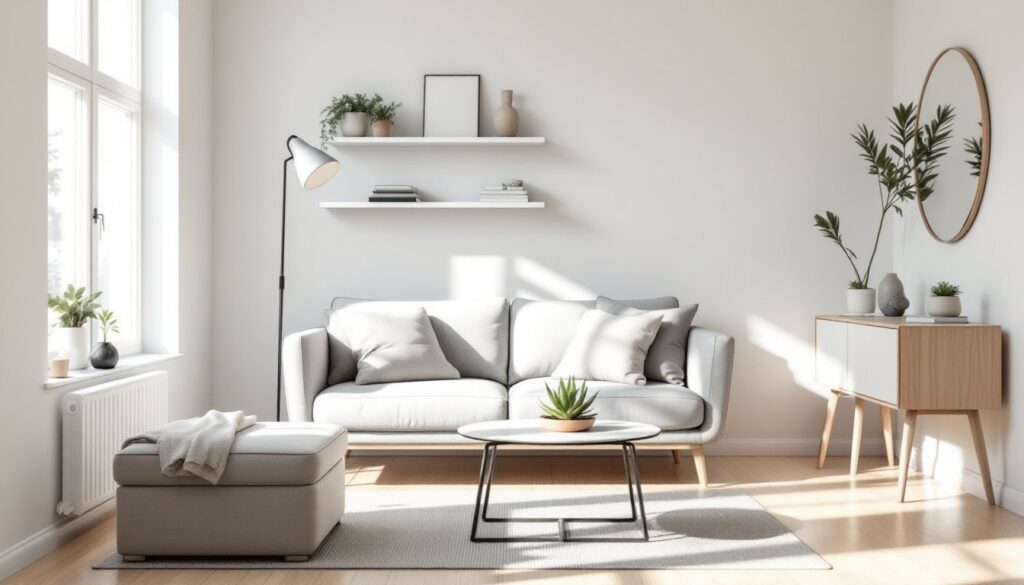
ToggleSmall living rooms shouldn’t feel like compromise spaces. With the right approach, a compact footprint can deliver comfort, style, and surprising functionality. The key lies in intentional choices, furniture that earns its place, color schemes that open up sightlines, and storage that keeps clutter from dominating the view. These strategies aren’t about making do with less. They’re about making every square foot count, using design principles that work with the room’s natural constraints rather than fighting them.
Key Takeaways
- Multi-functional furniture like storage ottomans, sleeper sofas, and nesting tables maximizes livability in small living rooms without sacrificing usable space.
- Light, neutral colors and monochromatic paint schemes reflect natural and artificial light to make small living room spaces feel larger and more open.
- Vertical storage solutions such as floor-to-ceiling shelving, floating shelves, and wall-mounted cabinets keep small rooms uncluttered while using underutilized wall space.
- Strategic mirror placement opposite windows and reflective surfaces amplify light and create the illusion of additional space in compact layouts.
- Properly scaled furniture with exposed legs, low-profile tables, and layered lighting from multiple sources prevents a cramped feeling and adds depth to small living room designs.
- Intentional design choices—combining one or two strategies at a time—transform small living rooms into comfortable, functional spaces without expanding square footage.
Choose Multi-Functional Furniture That Works Harder
In a small living room, every piece needs to justify its footprint. Multi-functional furniture solves the space crunch without sacrificing livability.
Start with a storage ottoman that doubles as a coffee table and houses blankets, remotes, or magazines. Look for units with lift-top mechanisms or removable lids, avoid flimsy hinges that’ll fail after six months. A sleeper sofa with a pull-out mattress turns the room into guest quarters without dedicating square footage to a spare bed. Modern mechanisms like European-style folding frames are far more comfortable than the old bar-in-the-back models.
Nesting tables offer surface area when needed but tuck away to clear floor space. Choose sets where the smallest table slides fully under the largest, partial nesting wastes the advantage. Wall-mounted drop-leaf tables provide dining or work surfaces that fold flat when not in use. Mount them to wall studs with heavy-duty brackets rated for the expected load, especially if the table will hold laptops or dishes.
Consider a console table behind the sofa with built-in storage. It defines the seating area while adding display space and concealed compartments. If the room layout allows, position the sofa away from the wall to create a walkway, it actually makes the space feel larger by establishing distinct zones.
Skip furniture with single-purpose designs. That decorative accent chair that’s too uncomfortable to actually sit in? It’s dead weight in a small room. Every item should serve at least two functions or clear out.
Use Light Colors and Strategic Paint Techniques
Paint is the most cost-effective tool for altering a room’s perceived size. Light, neutral colors reflect more light and push walls visually outward.
White, soft gray, pale beige, and light greige (gray-beige hybrid) are workhorses for small spaces. These shades bounce natural and artificial light around the room, reducing shadows that make spaces feel closed-in. One gallon of quality interior paint typically covers 350–400 square feet with one coat, but small rooms with trim and doors may need less than a gallon for walls.
A monochromatic color scheme, using varying shades of a single color, eliminates visual breaks that chop up the space. Paint walls, trim, and ceiling in the same color family but different sheens (flat for ceilings, eggshell for walls, semi-gloss for trim). The subtle variation maintains definition without harsh contrast.
For rooms with natural architectural features, consider an accent wall in a slightly deeper shade rather than a bold color. This adds depth without overwhelming the space. Place the accent wall on the farthest wall from the entry to draw the eye through the room. Avoid dark accent walls on side walls, they’ll make the room feel narrower.
Vertical stripes painted on one wall can increase perceived ceiling height. Use painter’s tape and a level to mark stripes, alternating two shades of the same color. Keep stripes 6–12 inches wide, narrower stripes read as busy, wider ones make a bolder statement.
Always prime before painting, especially over darker existing colors. Primer seals the surface and provides uniform coverage, reducing the number of topcoats needed. For small rooms, this prep step is non-negotiable.
Maximize Vertical Space with Smart Storage Solutions
Floor space is limited, but wall space is underutilized in most small living rooms. Vertical storage keeps essentials accessible without crowding the footprint.
Floor-to-ceiling shelving makes dramatic use of height. Install shelving units that reach within 12 inches of the ceiling, it draws the eye up and maximizes storage volume. Use the top shelves for items accessed infrequently (seasonal decor, archived books) and keep everyday items at arm level. Secure tall shelving units to wall studs with brackets or furniture straps to prevent tip-over, especially in homes with kids or pets.
Floating shelves offer display and storage without the visual bulk of a bookcase. Mount them with heavy-duty brackets rated for 50+ pounds if they’ll hold books or electronics. Space shelves 10–15 inches apart for standard books, or 12–18 inches for larger items.
Wall-mounted cabinets above doorways or windows capture dead space. These work well for storing items that don’t need frequent access but shouldn’t be buried in a closet. Keep cabinet depth to 12 inches or less to avoid a top-heavy look.
Many homes benefit from simple organizing solutions that reduce clutter. Install pegboards or slat wall systems for adjustable storage, they’re not just for garages. Paint them to match the wall color, and use hooks or baskets that can be repositioned as needs change.
Ladder-style shelving leans against the wall with a small footprint at the base. The angled design feels less imposing than vertical bookcases. Look for units with a bottom shelf depth of at least 16 inches for stability.
Avoid overcrowding vertical storage. Leave some open space, packed shelves read as cluttered, which defeats the purpose in a small room.
Create Depth with Mirrors and Reflective Surfaces
Mirrors are the oldest trick in the small-space playbook, but placement matters more than size.
Position a large mirror opposite a window to reflect natural light and outdoor views. This doubles the perceived light in the room and creates the illusion of an additional window. Mirrors should be at least 30 x 40 inches to have visual impact in a living room, smaller mirrors read as decorative accents rather than space expanders.
Floor-length leaning mirrors (typically 65–70 inches tall) make dramatic statements without requiring wall mounting. Lean them against a wall at a slight angle, and secure the top with wall anchors or museum putty to prevent tipping. The angled position reflects more of the room than a flat-mounted mirror.
Frameless or thin-framed mirrors feel more modern and less visually heavy. Chunky ornate frames add weight that can overwhelm small spaces. If the existing decor skews traditional, choose mirrors with simple frames in finishes that match other hardware in the room.
Beyond mirrors, reflective surfaces amplify light. Glass coffee tables, metallic light fixtures, and glossy tile or lacquered furniture bounce light around the space. A strategic paint color combined with reflective accents creates a layered brightening effect.
Mirrored furniture, like console tables or cabinet doors, adds function plus reflection. Use this sparingly: too much mirror creates a disco-ball effect. One mirrored piece per room is usually the limit.
Avoid placing mirrors where they reflect clutter, awkward angles, or blank walls. The reflection should add value, a view, light, or an attractive part of the room.
Select the Right Scale and Proportion for Furniture
Furniture that’s too large or too small throws off a room’s balance. Proper scale makes a small living room feel intentionally designed rather than cramped.
Measure the room before shopping. A sofa should consume no more than two-thirds of the longest wall. For a 12-foot wall, that’s an 8-foot sofa maximum. Standard three-seat sofas run 84–96 inches, which can overwhelm rooms under 10 x 12 feet. In truly compact spaces, consider a loveseat (58–72 inches) or apartment-scale sofa with narrower arms and a shallower seat depth.
Seat depth matters as much as length. Standard sofas have 36–40 inch depths, but compact models at 30–34 inches save precious floor space without sacrificing comfort. Check specs before buying, online listings don’t always clarify.
Choose furniture with exposed legs rather than skirted bases. Visible floor beneath furniture makes the room feel airier. Aim for legs at least 4–6 inches tall. Lower profiles (like platform sofas) can work but require careful styling to avoid a squat appearance.
Low-profile coffee tables (under 16 inches tall) maintain sightlines across the room. Oversized coffee tables that dominate the center create bottlenecks. Allow 14–18 inches between the sofa and coffee table for comfortable leg room.
Avoid matching furniture sets in small rooms. They’re designed for larger spaces and often include pieces that don’t fit well in compact layouts. For those exploring broad design approaches, mix complementary pieces scaled to the specific room.
Armless chairs or chairs with narrow arms take up less visual and physical space than traditional club chairs. If the room needs extra seating, choose stools or poufs that tuck under tables or beside the sofa when not in use.
Layer Lighting to Enhance Space and Ambiance
A single overhead light flattens a room and casts harsh shadows. Layered lighting adds depth and makes small spaces feel more expansive.
Start with ambient lighting, the general overhead illumination. For living rooms under 150 square feet, a ceiling fixture or flush-mount light rated for 60–75 watts equivalent (or 800–1,100 lumens for LEDs) provides adequate base light. Dimmer switches add flexibility for different times of day.
Add task lighting for specific activities. A floor lamp beside a reading chair should deliver 300–500 lumens at the reading surface. Swing-arm wall lamps save floor space and direct light exactly where needed. Mount them 40–42 inches above the seat cushion for optimal reading light.
Accent lighting highlights architectural features or decor. Use LED strip lights under floating shelves or inside cabinets to add glow without consuming space. Battery-operated puck lights work for shelves where running electrical isn’t feasible.
Choose light fixtures with open or translucent shades rather than solid opaque ones. Open shades allow light to spread in all directions rather than directing it solely downward. This makes better use of every bulb.
For rooms with eclectic design styles, pendant lights hung at varying heights create visual interest. In small living rooms, keep pendants away from main traffic paths, they should hang in corners or over specific furniture groupings, not where people walk.
Color temperature affects perception of space. Warm white bulbs (2700–3000K) feel cozy, while bright white (3500–4100K) makes spaces feel more open. Mixing both, warm for ambient, bright white for task, balances comfort and functionality.
Avoid floor lamps with large bases in tight spaces. Look for slim-profile lamps with 8–10 inch base diameters that fit beside furniture without blocking pathways. When considering room-specific techniques, lighting adjustments often provide the biggest impact.
Wall sconces eliminate the need for floor space entirely. Install them 60–66 inches from the floor (roughly eye level when standing) to avoid glare. Wire them to a switch rather than using plug-in models, hardwired fixtures look cleaner and don’t require visible cords.
Layer at least three light sources in a small living room: overhead, one task light, and one accent or decorative fixture. This creates flexibility for different activities and times of day while adding dimension that makes the space feel larger.
Conclusion
Small living rooms reward intentionality. Furniture that multitasks, paint that reflects light, storage that goes vertical, mirrors that multiply space, properly scaled pieces, and layered lighting all add up to a room that feels open rather than cramped. The square footage doesn’t change, but the livability does. Start with one or two strategies, see what works, then build from there.